
What Does Commercial Photography Cost in Virginia? A Guide for Businesses Planning a Photoshoot
If you’re planning a commercial photoshoot for your business, one of the first questions is usually, How much is this going to cost?
The answer depends on much more than how long the shoot is going to be.
Commercial photography can range from a relatively straightforward corporate headshot session to a multi-day advertising production involving multiple locations, talent, assistants, lighting, video production and extensive post-production.
Understanding what goes into a commercial photography estimate can help marketing teams, agencies and business owners plan a realistic budget and make sure the final images accomplish what they actually need them to do.
What Determines the Cost of Commercial Photography?
Unlike portrait or wedding photography, commercial photography is typically priced around the scope and intended use of a project.
Here are some of the biggest factors that affect the cost.
The Number of Shooting Days: A project that can be photographed in one day will naturally have a different budget than a campaign requiring several days across multiple locations. But the photography days themselves are only part of the production. A successful commercial shoot often includes pre-production meetings, location scouting, shot-list development, scheduling, equipment preparation and coordination with the client, agency, talent and crew. After the shoot comes image selection, color correction, retouching and delivery. In other words, a one-day photoshoot often represents considerably more than one day of work.
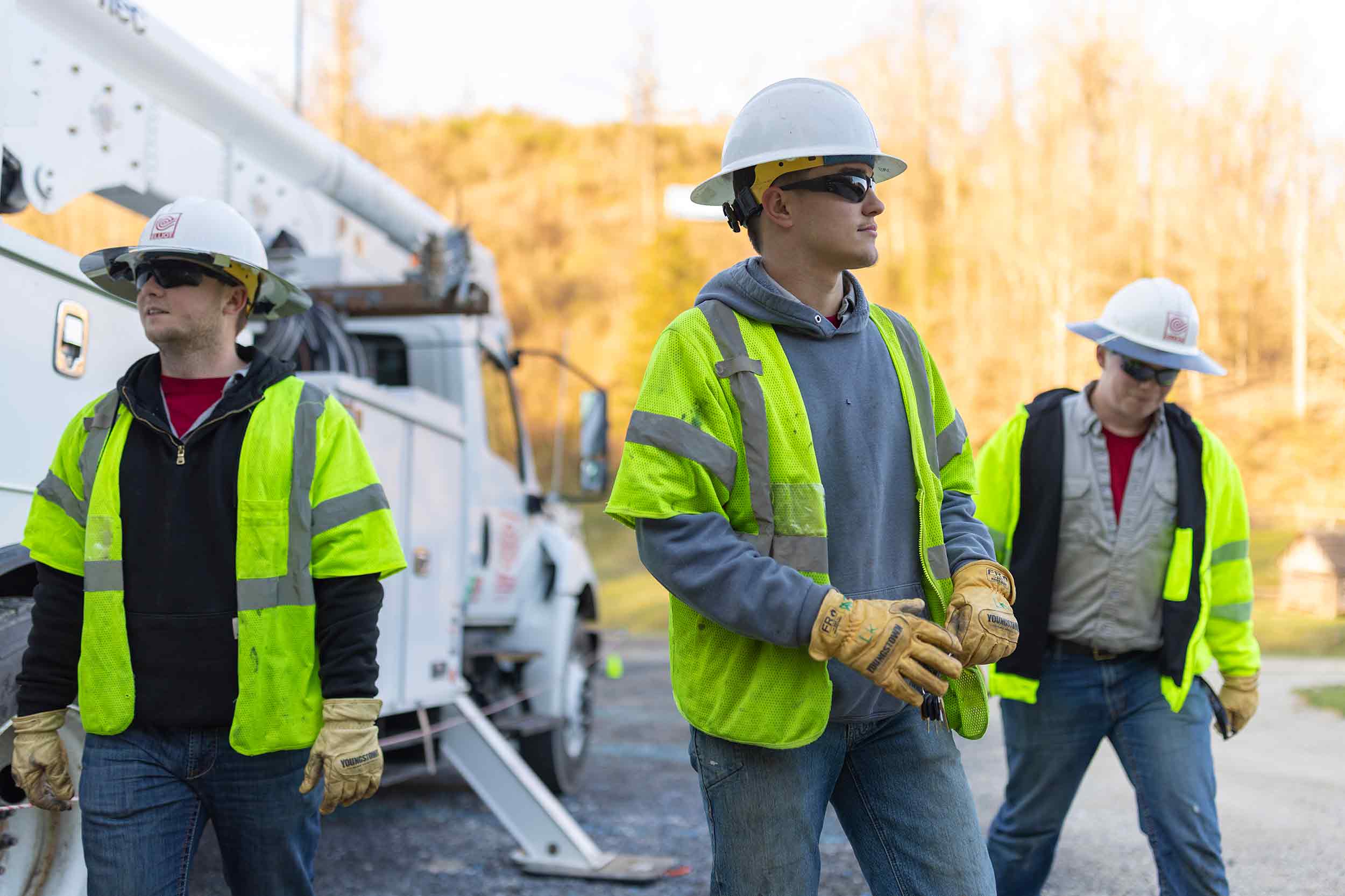
Complexity or Scope of the Shoot: Some projects require a photographer and a relatively small amount of equipment. Others operate more like a small advertising production. Depending on the project, a commercial photography crew might include assistants, digital technicians, stylists, hair and makeup artists, producers, videographers and other specialists. Larger productions may also require additional lighting, grip equipment, generators, location permits or rental equipment. The goal isn’t to make a production unnecessarily complicated. It’s to assemble the right resources to create the images the campaign requires.
The Number of Locations: Photographing everything at a single facility is usually more efficient than moving a crew and equipment between several locations. Travel between locations affects the shooting schedule, and some projects require scouting ahead of time to determine lighting, power availability, access and the best time of day to photograph a space. For projects throughout Virginia and North Carolina, travel time and expenses can also become part of the overall production budget.
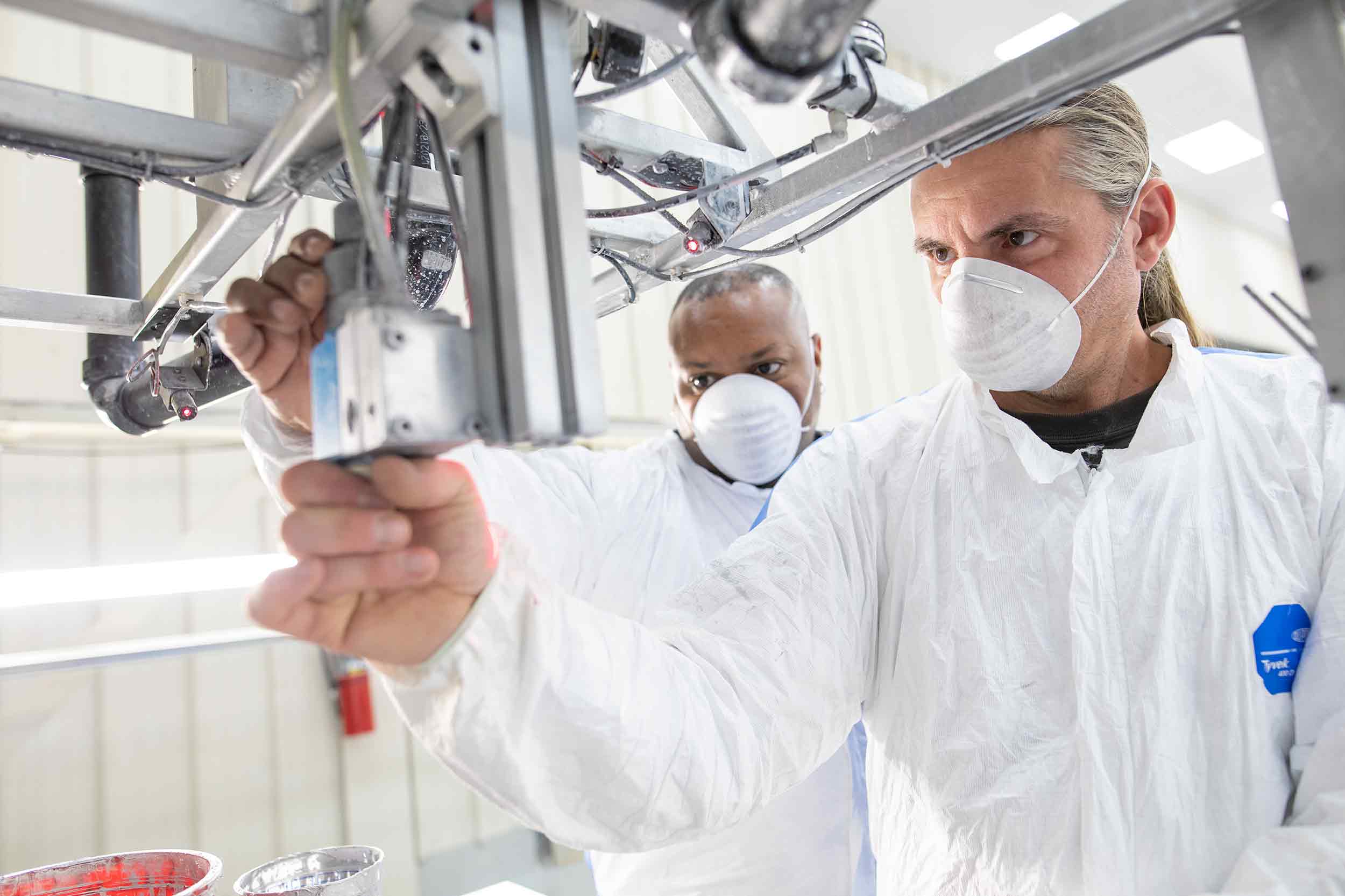
People and Talent: If employees are being photographed, the production may involve coordinating schedules across different departments or locations. Advertising and lifestyle photography may require professional models or actors, along with casting, wardrobe, hair and makeup. Even when employees are used instead of professional talent, planning is important. Wardrobe, locations, schedules and the activities being photographed can make a significant difference in how authentic the finished images feel.
The Number of Final Images: The number of photographs delivered also affects the cost of a commercial project. A company needing 15 carefully retouched advertising images has different post-production requirements from an organization building a library of 100 or more images for use across its website, social media, recruiting materials, advertising and internal communications. It’s helpful to think beyond the immediate campaign. When we plan a commercial shoot, I often look for opportunities to create a broader collection of imagery while the locations, people and production are already in place. That can provide significantly more long-term value from the shoot.
Want to see some examples of commercial photography work? Check out some work.
What About Photography Usage and Licensing?
One of the biggest differences between commercial photography and consumer photography is how the images will be used. A photograph appearing on a company’s website has a different commercial purpose from an image being used in a national advertising campaign, on billboards or in packaging.
Usage can include:
-
Company websites
-
Social media
-
Digital advertising
-
Print advertising
-
Brochures and marketing collateral
-
Trade shows
-
Recruiting materials
-
Public relations
-
Packaging
-
Billboards and outdoor advertising
Because every project is different, usage should be discussed before the shoot so there are no surprises about where and how the finished photography can be used.
How about Adding Video to the Photoshoot?
Absolutely—and in many cases it makes sense. Businesses increasingly need photography and video for the same campaigns. A single production can potentially generate still photography, short-form social content, interviews, website video and other marketing assets. Producing photography and video together can also be more efficient than organizing two completely separate productions. The key is planning for both from the beginning. Lighting, schedules, locations and shot lists may need to be adjusted so the photography and video teams can work together efficiently without compromising either medium.
How Much Should a Business Budget for Commercial Photography?
There isn’t one useful flat rate for commercial photography because the scope of projects varies so widely. A straightforward one-day corporate photography assignment is fundamentally different from a multi-day advertising campaign involving multiple locations, talent, a production crew, photography and video. Rather than beginning with “What does a photographer charge per hour?”, I recommend starting with a different question:

What do we need to create, and where will we use it?
From there, a photographer can determine the production required to accomplish those goals and build an estimate around the actual scope of the project. A good estimate should clearly explain what is included rather than simply presenting a day rate.
How to Get an Accurate Commercial Photography Estimate:
Before contacting a commercial photographer, you don’t need to have every detail figured out. But having a general idea of the following can make the estimating process much easier:
-
What are you trying to communicate?
-
Where will the photography be used?
-
Approximately how many finished images do you need?
-
How many locations are involved?
-
Will employees or professional talent appear in the photographs?
-
Do you need photography, video or both?
-
When does the project need to be completed?
-
Is there an established production or marketing budget?
A photographer experienced in commercial production can help work through the remaining details. Sometimes that means simplifying a production. Other times it means identifying opportunities to create additional content while everyone is already together.
Experience Matters on a Commercial Production:
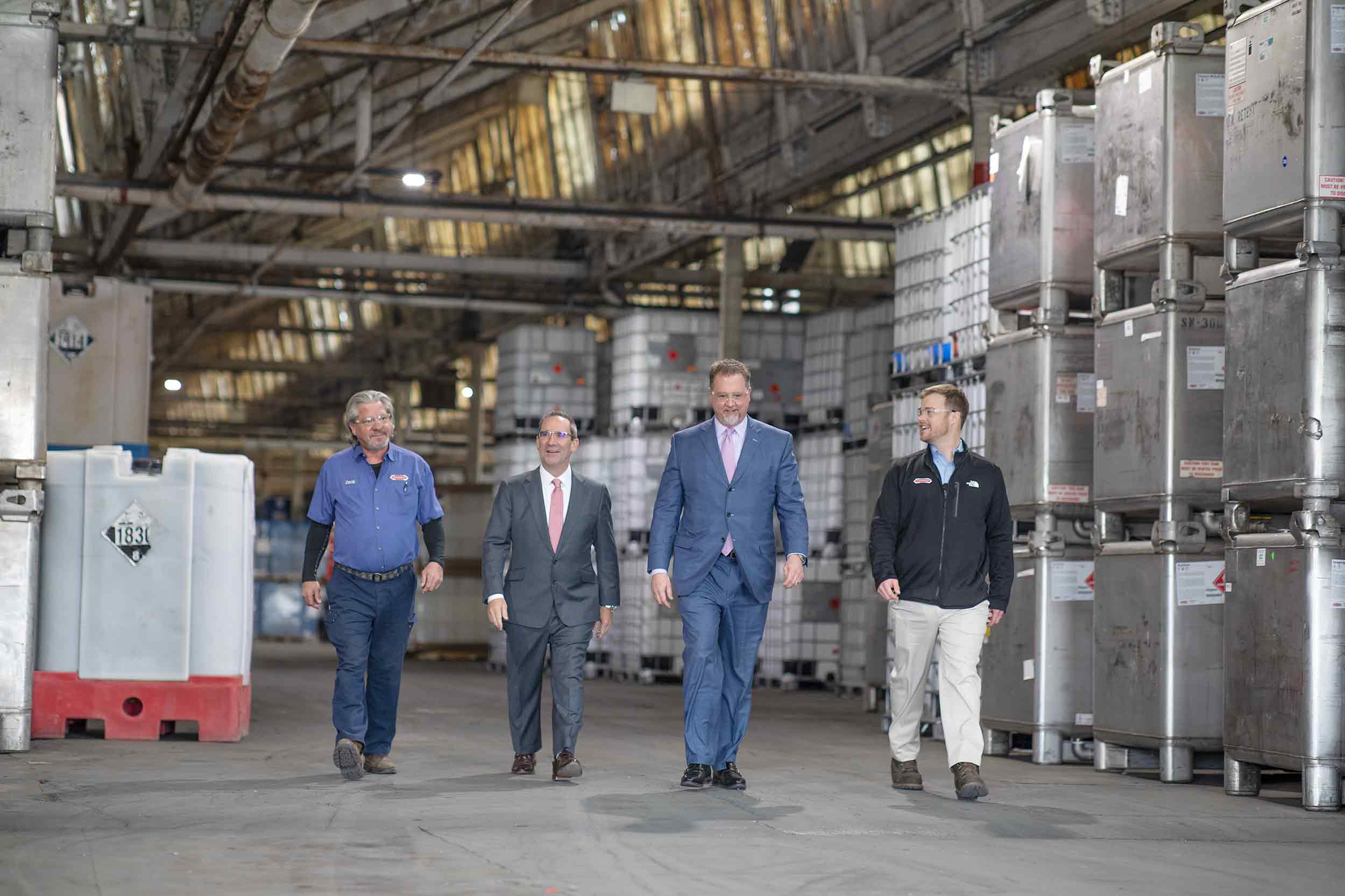
Commercial photography isn’t simply about making a technically good photograph. It’s about understanding what a brand needs from that photograph. I’ve spent more than 20 years working as a commercial photographer and video producer, creating imagery for businesses, advertising agencies and organizations across Virginia, North Carolina and beyond. Projects have taken me from corporate offices and manufacturing facilities to farms, senior living communities, hotels and large-scale advertising productions.
Every environment presents different challenges, but the objective remains the same: create authentic, compelling imagery that communicates the client’s story and gives their marketing team photographs they can actually use.
Planning a Commercial Photoshoot in Virginia or North Carolina?
If your company or agency is planning a commercial photography project, the best place to start is a conversation about what you’re trying to accomplish.
Once I understand the creative goals, locations, deliverables, schedule and intended usage, I can recommend an approach and build an estimate around the production.
Whether you’re creating a new advertising campaign, refreshing your website, building a brand image library or producing photography and video together, thoughtful planning at the beginning can make the entire production more efficient—and ultimately create better work.